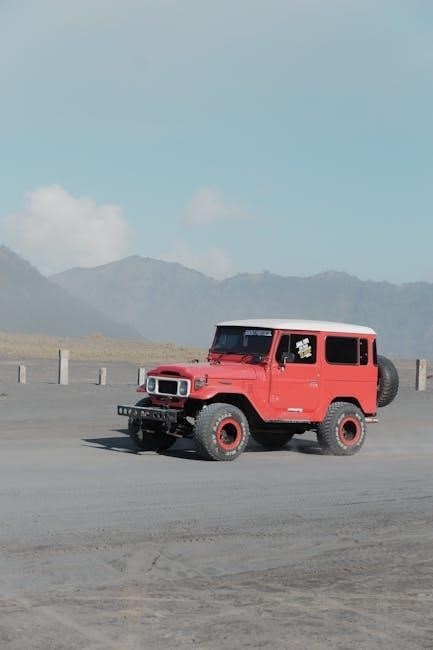
Toyota Land Cruiser 79 Series Specifications PDF: Article Plan
This comprehensive article details the iconic Toyota Land Cruiser 79 Series, focusing on specifications, historical context, and resources for finding official PDF documentation.
The Toyota Land Cruiser 79 Series stands as a testament to rugged reliability and enduring design, a vehicle consistently favored for its off-road prowess and utilitarian nature. Unlike many modern SUVs prioritizing comfort, the 79 Series remains steadfastly focused on capability, making it a workhorse across diverse terrains. This model, particularly popular in Australia and Africa, continues in production, a rarity in today’s automotive landscape.
Its enduring appeal stems from a simple, robust construction and readily available parts, fostering a strong aftermarket support network. Owners frequently undertake modifications to enhance its already impressive capabilities. This article will delve into the specifics of the 79 Series, providing a detailed overview of its specifications and guiding readers to official documentation, including PDF resources, for maintenance and repair.
Historical Overview & Production Years
The Land Cruiser 79 Series emerged in 1989 as part of the broader J70-generation Land Cruisers, designed to succeed the J40 series. Initially conceived for demanding conditions, it quickly gained traction in regions requiring exceptional durability. Production has been remarkably consistent, with continuous updates rather than complete redesigns. While discontinued in many markets, it remains in production for Australia, the Middle East, and parts of Africa, demonstrating its continued relevance.
Early models, like the 1995 diesel 4×4 often referred to as a “Troop Carrier” or “Bush camper,” were specifically tailored for challenging environments. Throughout its lifespan, the 79 Series has maintained a core design philosophy, prioritizing functionality over luxury. Accessing historical specification PDFs can be challenging, but Toyota dealerships and online forums often hold valuable archived information.
Key Markets for the 79 Series
The Toyota Land Cruiser 79 Series has found enduring popularity in specific global markets, largely due to its robust build and suitability for harsh terrains. Australia stands out as a crucial market, where the 79 Series is highly regarded for its capabilities in rural and mining industries. Similarly, Africa represents a significant consumer base, utilizing the vehicle for both commercial and personal transport, often as a “Bush camper” or troop carrier.
These regions demand reliability and practicality, qualities the 79 Series consistently delivers. Finding detailed specification PDFs often requires focusing on resources specific to these key markets, as configurations can vary. Online Toyota communities within Australia and Africa frequently share valuable documentation and insights.
Australia & its Significance
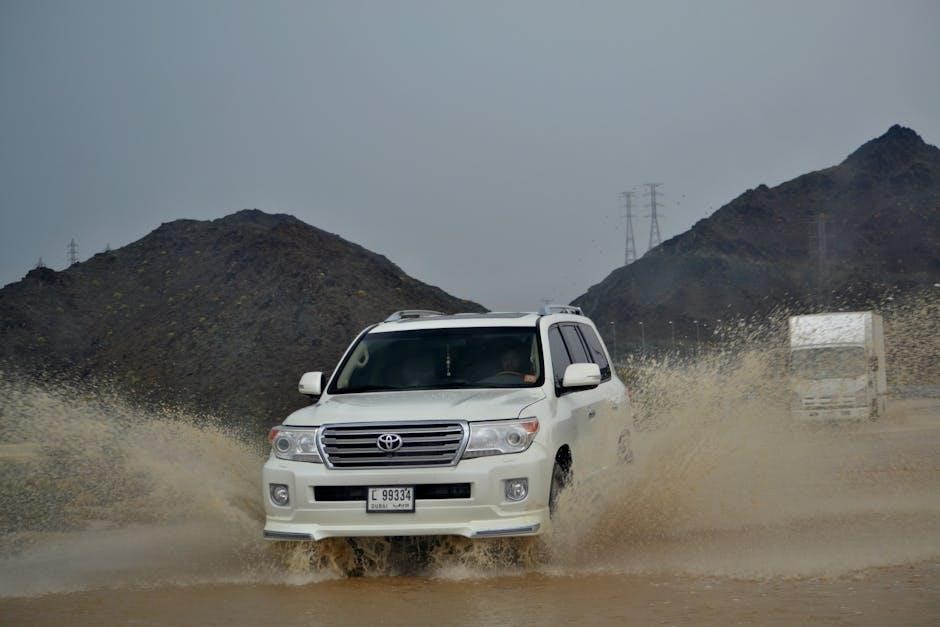
Australia represents a cornerstone market for the Toyota Land Cruiser 79 Series, where its reputation for unwavering dependability is firmly established. The vehicle’s rugged construction makes it ideal for the vast, often unforgiving, Australian outback and demanding work environments like mining operations. Australian buyers frequently modify the 79 Series for extended off-road expeditions and heavy-duty tasks.
Consequently, a wealth of information, including detailed specification sheets and modification guides, originates from Australian sources. Locating official Toyota specification PDFs tailored to the Australian market is often easier through Australian Toyota dealerships and online forums dedicated to Land Cruiser enthusiasts. These resources provide crucial details regarding local compliance and available options.
Africa & its Usage
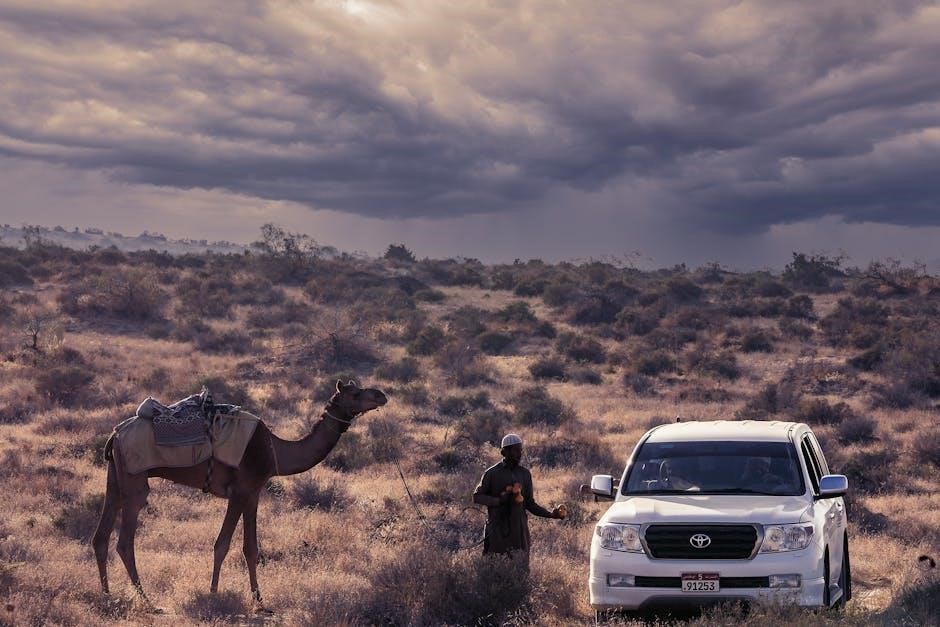
The Toyota Land Cruiser 79 Series holds a legendary status across the African continent, renowned for its robustness and ability to traverse incredibly challenging terrain. Often referred to as the “Troop Carrier” or “Bush Camper,” it’s a vital vehicle for safari operators, aid organizations, and rural communities alike. Its simple, durable design lends itself to easy maintenance in remote locations, a critical factor in African operating conditions.
Finding detailed specification PDFs specifically for African market 79 Series models can be more challenging, but online Land Cruiser communities and specialist importers often archive this information. Understanding the variations in engine options and equipment levels common in Africa is crucial when researching this vehicle.
Engine Specifications ⎼ Diesel Options
The Toyota Land Cruiser 79 Series primarily features diesel engine options, prioritizing durability and torque for demanding applications. Accessing official Toyota specification PDFs is key to understanding the nuances of each engine variant. The most common choices include the 1GR-FE 4.5L V8 diesel and the 1KD-FTV 3.0L turbo diesel.
These PDFs detail critical information like horsepower, torque figures, compression ratios, and fuel injection systems. Variations exist based on regional markets, impacting emissions standards and performance tuning. Locating these documents allows for accurate assessment of engine capabilities and maintenance requirements, vital for long-term reliability;
1GR-FE 4.5L V8 Diesel Engine Details
The 1GR-FE 4.5L V8 diesel engine, a cornerstone of the 79 Series in many markets, is renowned for its robust construction and substantial power output. Official Toyota specification PDFs provide detailed insights into its operation. Typically, this engine delivers around 205 horsepower and 430 Nm of torque, though figures can vary slightly depending on the specific year and region.
Key features detailed in the PDFs include the D-4D direct injection system, overhead camshafts, and 32 valves. These documents also outline recommended oil types, maintenance intervals, and potential troubleshooting areas. Understanding these specifications is crucial for maximizing engine life and performance.
1KD-FTV 3.0L Turbo Diesel Engine Details
The 1KD-FTV 3.0L turbo diesel engine serves as a popular alternative powerplant within the Toyota Land Cruiser 79 Series range, particularly in regions prioritizing fuel efficiency. Toyota’s official specification PDFs thoroughly document this engine’s characteristics. Generally, it produces approximately 150 horsepower and 360 Nm of torque, offering a balance between power and economy.
These PDFs highlight the engine’s common rail direct injection system, intercooler, and variable nozzle turbocharger. They also specify crucial details like compression ratios, injector specifications, and recommended maintenance procedures. Accessing these documents is vital for owners seeking to understand and maintain this durable engine effectively.
Transmission Options & Drivetrain
The Toyota Land Cruiser 79 Series traditionally offers both manual and automatic transmission choices, detailed within official Toyota specification PDFs. The drivetrain is consistently a robust full-time four-wheel-drive system with a low-range transfer case, crucial for off-road capability. These PDFs outline gear ratios for each transmission option, alongside specifics regarding the transfer case operation.
Manual transmissions typically feature five speeds, while automatic options, where available, usually have four speeds. The documentation clarifies the drivetrain components, including differential types and axle ratios. Understanding these specifications is essential for proper maintenance and selecting the appropriate transmission for intended usage, as outlined in the official PDFs.
Manual Transmission Specifications
Toyota Land Cruiser 79 Series manual transmissions, as detailed in official specification PDFs, are generally robust five-speed units designed for durability and reliability. These documents specify gear ratios for each speed, providing insight into the vehicle’s performance characteristics. The PDFs also outline the transmission’s housing material, typically cast iron, and the type of synchronizers used for smooth shifting.
Furthermore, the specifications cover clutch details, including diameter and type, crucial for understanding replacement parts. Information regarding input and output shaft spline counts is also present. These PDFs are invaluable for mechanics and owners performing repairs or modifications, ensuring compatibility and proper function of the manual transmission system.
Automatic Transmission Specifications (if applicable)
While less common than manual options, some Toyota Land Cruiser 79 Series models feature an automatic transmission. Official specification PDFs, when available for these variants, detail a four-speed automatic gearbox known for its dependability in challenging terrains. These documents outline the transmission’s internal components, including planetary gear sets and torque converter specifications.
Crucially, the PDFs specify fluid type and capacity, essential for maintaining optimal performance and preventing damage. Information regarding valve body construction and electronic control unit (ECU) compatibility is also included. For restoration or repair, these specifications are vital, ensuring correct parts selection and proper functionality of the automatic transmission system.
Dimensions & Weight
Toyota Land Cruiser 79 Series specification PDFs meticulously detail the vehicle’s physical attributes. Overall length typically ranges from 4890mm to 5240mm, depending on body style (wagon, cab chassis). Width consistently measures around 1970mm, while height varies between 1950mm and 2030mm. These dimensions are crucial for assessing suitability for specific terrains and logistical considerations.

Wheelbase options generally fall between 2730mm and 2980mm, impacting off-road capability and interior space. Kerb weight fluctuates significantly based on configuration, ranging from approximately 2080kg to 2400kg. Gross Vehicle Mass (GVM) is a critical figure, usually around 3300kg, defining the maximum permissible load. Accurate weight data is vital for safe operation and legal compliance.
Overall Length, Width, and Height
Toyota Land Cruiser 79 Series specification PDFs provide precise measurements for assessing spatial requirements. The wagon variant typically extends 4890mm in length, while the cab chassis models can reach up to 5240mm, influencing maneuverability and parking considerations. A consistent width of approximately 1970mm is noted across all versions, impacting lane positioning and off-road passage.
Height measurements range from 1950mm to 2030mm, depending on roof configuration and accessories. These dimensions are vital for determining garage fitment and overall vehicle profile. Understanding these specifications is crucial for logistical planning, especially when navigating restricted areas or transporting the vehicle. Accurate data ensures compatibility with intended usage scenarios.
Wheelbase & Track Width
Toyota Land Cruiser 79 Series specification PDFs detail critical dimensional data, including wheelbase and track width. The standard wheelbase measures 2790mm, contributing to a balance between off-road agility and on-road stability. This impacts turning radius and overall vehicle handling characteristics. Track width, typically around 1690mm (front) and 1680mm (rear), influences stability during cornering and load distribution.

Variations may exist based on specific model configurations and optional equipment. Precise track width is essential for selecting appropriate tires and wheel offsets. These measurements are vital for aftermarket modifications, ensuring proper suspension geometry and preventing rubbing. Accurate data from official PDFs guarantees compatibility and optimal performance.
Suspension & Chassis
Toyota Land Cruiser 79 Series specification PDFs highlight its robust suspension and chassis design, crucial for its legendary durability. The 79 Series employs a body-on-frame construction, providing exceptional strength and torsional rigidity – essential for demanding off-road conditions. Front suspension typically features a coil spring setup with stabilizer bar, while the rear utilizes leaf springs, optimized for load-carrying capacity.
Detailed PDFs outline suspension travel, damping characteristics, and chassis component materials. This information is vital for understanding the vehicle’s off-road capabilities and potential for modifications. The chassis design prioritizes strength and longevity, contributing to the Land Cruiser’s reputation for reliability in harsh environments.
Fuel Capacity & Consumption
Toyota Land Cruiser 79 Series specification PDFs detail fuel capacity, varying slightly based on cab configuration – typically ranging from 90 to 100 liters (approximately 23.8 to 26.4 gallons). Fuel consumption figures are notably dependent on engine choice, driving conditions, and load. Diesel engines, while powerful, generally offer reasonable fuel economy for a vehicle of this size and capability.
Official documentation provides estimated consumption rates in liters per 100 kilometers (or miles per gallon), though real-world figures often differ. These PDFs are invaluable for calculating range and planning journeys in remote areas where refueling options are limited. Understanding fuel efficiency is crucial for owners operating in diverse terrains.
Exterior Features & Design
Toyota Land Cruiser 79 Series specification PDFs showcase a utilitarian, boxy design prioritizing functionality over aesthetics; Key exterior features consistently highlighted include robust steel construction, round headlights, and a prominent front grille – elements contributing to its instantly recognizable appearance. Documentation details available body styles, such as wagon, utility, and cab chassis, each catering to specific needs.
These PDFs also outline standard equipment like steel wheels, front and rear bumpers designed for durability, and often, a rear-mounted tire carrier. Variations exist based on market, with some regions offering optional features like side steps or winch mounts. The 79 Series’ exterior is built to withstand harsh conditions.
Interior Features & Comfort
Toyota Land Cruiser 79 Series specification PDFs reveal an interior focused on practicality and durability, rather than luxury. Documentation details typically include vinyl or cloth seating, designed for easy cleaning and resilience. The dashboard layout is functional, featuring clearly labeled controls and ample storage compartments.
While comfort features are basic, PDFs often specify air conditioning as standard, alongside a functional audio system. Higher trim levels, where available, might include power windows and central locking. Space is generous, particularly in wagon variants, prioritizing passenger and cargo capacity. The interior reflects the vehicle’s workhorse nature, built to endure demanding use.
Safety Features & Technology
Toyota Land Cruiser 79 Series specification PDFs demonstrate a focus on essential safety features, reflecting its production era and intended use. Documentation typically details a robust chassis and body-on-frame construction as primary safety elements. Standard features often include seatbelts for all occupants, though advanced systems are generally absent.
PDFs may specify the availability of Anti-lock Braking Systems (ABS) on certain models or trim levels. Technology is minimal, with basic instrumentation and limited driver-assistance features. The emphasis is on mechanical reliability and driver skill rather than electronic intervention. While not boasting modern safety tech, the 79 Series prioritizes fundamental crash protection and dependable performance.
Payload & Towing Capacity
Toyota Land Cruiser 79 Series specification PDFs consistently highlight its impressive hauling capabilities, crucial for its target markets. These documents detail varying payload capacities depending on the body style – cab chassis, troop carrier, or wagon – typically ranging from 900kg to 1,200kg. Towing capacity is equally substantial, often exceeding 3,500kg (3.5 tonnes) braked, making it ideal for heavy-duty applications.
PDFs will outline Gross Vehicle Mass (GVM) and Gross Combined Mass (GCM) limits, essential for legal and safe operation. Specific figures depend on the engine and transmission configuration. The 79 Series’ robust chassis and powerful diesel engines contribute to its exceptional ability to carry significant loads and tow substantial trailers, a key selling point.
Common Modifications & Accessories
Toyota Land Cruiser 79 Series specification PDFs rarely detail aftermarket modifications, but online forums and accessory catalogs reveal popular upgrades. Bull bars, winch kits, and heavy-duty suspension systems are frequently installed to enhance off-road capability and protection. Snorkel kits are common in dusty or flood-prone regions, improving air intake.

PDFs may indirectly reference accessory compatibility through wiring diagrams or load capacity limits. Popular accessories include roof racks, side steps, and auxiliary lighting. Many owners opt for dual battery systems to power camping equipment or work tools. Detailed specifications for these modifications aren’t in official PDFs, but enthusiast websites provide comprehensive guides and fitting instructions.
Availability of Official Toyota Specification PDFs
Finding comprehensive, official Toyota Land Cruiser 79 Series specification PDFs can be challenging. Toyota’s official website often provides limited documentation, primarily focusing on newer models. Workshop manuals and parts catalogs are sometimes available for purchase through Toyota dealerships or authorized online retailers like Toyota Parts Deal.
However, complete specification sheets detailing every aspect of the 79 Series are less common. Online forums and enthusiast communities often compile information from various sources, including scanned copies of older Toyota brochures and technical documents. These resources, while valuable, may not be officially sanctioned by Toyota and should be verified for accuracy.
Where to Find Reliable 79 Series Information Online
Several online resources offer valuable information about the Toyota Land Cruiser 79 Series. Dedicated Land Cruiser forums, like those frequented by Australian and African enthusiasts, are excellent sources of real-world experience and technical discussions. Websites specializing in Toyota parts, such as ToyotaPartsDeal.com, can provide parts diagrams that indirectly reveal specifications.
While official Toyota documentation is scarce, enthusiast-created wikis and blogs often compile data from various sources. Be cautious and cross-reference information from multiple sources to ensure accuracy. Online marketplaces, when reviewing vehicle listings (like the 1995 Diesel 4×4 example), sometimes include specification details provided by sellers, but verification is crucial.
Maintenance Schedules & Recommended Intervals
Regular maintenance is crucial for the longevity of the Toyota Land Cruiser 79 Series. Toyota provides recommended maintenance schedules, often based on mileage or time intervals – a user created a 30k service chart based on Toyota’s guidelines. Key intervals include oil and filter changes, air filter replacement, and fluid checks (coolant, brake fluid, transmission fluid).

Specific intervals for diesel engine components, like fuel filter replacement, are vital. Tire rotation and inspection are also essential, given the 79 Series’ off-road capabilities. Online forums often detail owner experiences with maintenance, highlighting potential issues and recommended preventative measures. Adhering to these schedules ensures optimal performance and reliability.
Troubleshooting Common Issues (Based on Online Forums)
Online forums dedicated to the Toyota Land Cruiser 79 Series reveal recurring issues. Discussions frequently mention ABS pump failures – a 2013 FJ Cruiser owner sourced a genuine replacement part (4796060050). Other reported problems include glass-related concerns in certain models (like the 2007 FJ Cruiser), though recall statutes may have expired.
Fuel consumption variations are also debated, prompting owners to explore driving habits and potential mechanical causes; General maintenance issues, like filter replacements and fluid leaks, are commonly addressed. These forums provide a valuable resource for diagnosing problems and finding solutions shared by experienced owners.
Comparison with Other Land Cruiser Models
The Land Cruiser 79 Series distinguishes itself from newer Land Cruisers with its rugged, utilitarian design and focus on off-road capability. Unlike more comfort-oriented models, the 79 prioritizes durability and simplicity. Compared to the FJ Cruiser, it offers a larger payload and towing capacity, catering to work and expedition needs.
The 79 Series also differs from the Prado, which emphasizes on-road refinement. While the Land Cruiser 76 previously offered a V8 diesel, the 79 maintains a more traditional approach. Its robust chassis and dependable engines set it apart, appealing to those seeking a no-frills, highly capable vehicle.
Resale Value & Market Trends
The Toyota Land Cruiser 79 Series consistently holds exceptional resale value, particularly in Australia and Africa, driven by its legendary reliability and enduring demand. Market trends reveal a steady appreciation, especially for well-maintained, low-mileage examples. Limited production numbers contribute to its collectibility.
Despite its age, the 79 Series commands premium prices compared to many modern SUVs. Factors influencing value include engine type, condition, and modifications. Demand often exceeds supply, creating a competitive market. Recent interest in overlanding and adventure travel further boosts its appeal, ensuring continued strong resale values.
The Toyota Land Cruiser 79 Series stands as a testament to rugged durability and timeless design, cementing its legacy as an icon of off-road capability. Its continued production, despite evolving automotive trends, speaks volumes about its enduring appeal and practical functionality.

From the Australian outback to the African savanna, the 79 Series has proven its reliability in the harshest conditions. Accessing official specifications PDFs ensures owners and enthusiasts can maintain and appreciate this remarkable vehicle for generations to come. The Land Cruiser 79 Series isn’t just a vehicle; it’s a symbol of adventure and resilience.